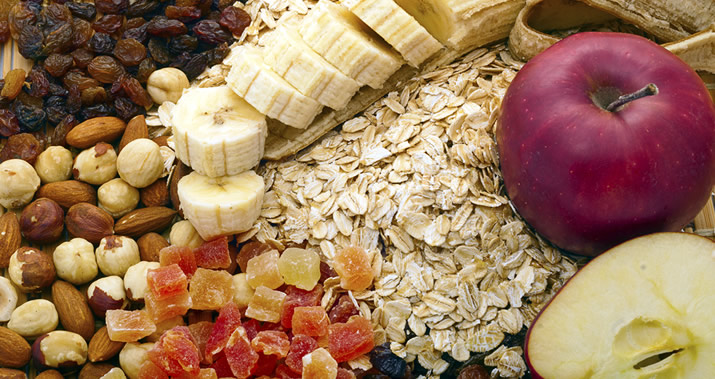
With the abundance of processed foods that make up the average American diet, it’s no wonder that we’re falling short on dietary fiber. Our daily meals and snacks are providing only about half of the recommended 25 grams for women and 38 grams for men that have been shown to lower the risk of cardiovascular disease, help keep our digestive tract healthy and help you lose weight. So, which are the high-fiber foods we need to eat more of and how can we make them a delicious part of our day?
Not All Fiber Is Alike
There are actually two types of dietary fiber: soluble and insoluble. Whole grains, nuts, wheat bran and vegetables are insoluble because the fiber they contain does not dissolve in water. Insoluble fiber increases bulk and helps move matter through the colon more quickly. Individuals who suffer from constipation or irregularity can benefit from increasing the amount of insoluble fiber they get daily in the foods they eat. Studies are also beginning to show that a diet that is rich in insoluble fiber may also decrease the risk of diabetes.
Soluble fiber like that found in oats, citrus fruits, apples, barley, psyllium, flax seeds and beans absorbs water and softens stools allowing for easier elimination. Some water soluble fiber also binds to bile acids which contain cholesterol – that is why eating oat bran, for instance, can significantly lower blood cholesterol.
Add More High-Fiber Foods To Improve Many Health Factors
When increasing your daily intake of fiber, do so gradually. Allow the natural bacteria in your digestive system to adjust to an increased amount of fiber over several weeks. Too much fiber introduced too quickly can lead to digestive distress. You can avoid bouts of abdominal bloating, intestinal gas and cramping by starting out slowly.
While high-fiber diets don’t necessarily reduce the risk of colon cancer, they do promote significant health benefits. For example, fiber has been shown to have a positive effect on: heart disease, diabetes, diverticulitis and constipation.
A number of large studies have shown that a high intake of fiber is linked to a lower risk of heart disease. Cereal fiber found in grains is particularly beneficial to heart health and helps lower LDL blood cholesterol. Oats, beans, apples, barley and carrots have all been shown to reduce cholesterol levels.
A diet that is rich in high-fiber foods can also lower the risk of Type 2 diabetes. Since foods with a high Glycemic Index raise blood sugar levels rapidly, they can contribute to the incidence of Type 2 diabetes, but fiber-rich foods (legumes, whole fruits, oats, bran and whole-grain cereals) generally have a low Glycemic Index and can help regulate blood glucose levels by slowing the absorption of sugar into the bloodstream.
Nearly one-third of all Americans over the age of 45 suffer from diverticulitis, a painful inflammation of the intestine. However, a long-term study showed that eating a fiber-rich diet, particularly one high in insoluble fiber, was associated with a 40 percent lower risk of the disease. A high-fiber diet also helps to lessen the incidence of irritable bowel syndrome in sufferers.
When it comes to preventing constipation, even more effective than the fiber in fruits and vegetables is the fiber found in wheat bran and oat bran. But, remember soluble fiber absorbs water, so be sure to drink plenty of water to make your stool soft and bulky.
High-Fiber Diets Aid In Weight Loss
High-fiber foods take longer to chew and that gives your body more time to register that you’re no longer hungry. Therefore, you’re less likely to overeat. Plus, a high-fiber meal leaves you feeling more satisfied and you stay full longer. And, because high-fiber foods are less “energy dense,” you get fewer calories in the same volume of food. It’s a great way to cut calories.
Selecting High-Fiber Foods
Beans are one of the best sources of fiber with 9.5g in a half cup of cooked navy beans and 9 grams in the same amount of baked beans. Likewise, half cup of lentils, black beans and dates or a full cup of raisin bran cereal offer more than 7 grams of fiber, while a medium bran muffin provides 5 grams. Other good sources of fiber with more than 3+ grams of fiber are: cooked artichoke, frozen peas, oatmeal, blackberries, canned pumpkin, whole-wheat spaghetti, almonds (24), an unpeeled apple and cooked barley. Slightly further down on the fiber scale are: a cup of broccoli, one whole red sweet pepper, peanuts (28), a nectarine, walnuts (15) or a slice of whole grain bread each with 2+ grams of fiber.
Generally speaking, it’s best to get the fiber in your diet naturally by eating high-fiber foods. Fiber supplements can be beneficial, but they lack the added minerals and vitamins found in fiber-rich foods.
Ten Easy Tips To Boost Your Fiber Quotient
As you go through your day, there are many ways to increase fiber consumption. Here are a few examples of some simple changes that can help ensure you get the fiber you may be lacking.
Start your day with a bowl of high-fiber cereal (5g or more) and add wheat germ, raisins, bananas or berries
- Add crushed bran cereal to your meatloaf, breads, muffins, casseroles, cakes and cookies
- Use crushed bran as a crunchy topping for casseroles, salads and cooked vegetables
- Eat organic fruits instead of fruit juice – and, leave the skin on!
- Enjoy brown rice and whole-grain breads and pasta instead of bleached white varieties
- Snack on raw vegetables, low-fat popcorn or whole-grain crackers instead of chips
- Cook vegetables only until they are al dente – overcooking will break down the fiber
- Substitute bean-based meals (chili, lentil soup, bean burritos) for meat several times a week
- Cook international dishes that use whole grains and legumes (Indian dahls, tabbouleh)
- Read the labels on the products you buy and opt for those with the highest fiber content
These are just a few suggestions to get you started. Now that you know which foods are high in fiber, you can begin incorporating high-fiber foods as snacks and in your daily meal planning.
Be sure you’re getting enough fiber.
The Institute of Medicine recommends that adults consume 14 grams of fiber for every 1,000 calories eaten. A typical male consuming around 2,500 calories a day should eat at 35 grams of fiber daily, while a woman who eats 1,700 calories needs only about 24 grams in her daily diet.
Drink Plenty of Water
If you increase your intake of fiber, it’s especially important that you drink plenty of water. Women should drink 9 or more 8 oz. glasses of water daily, while men should drink a dozen or more 8 oz. glasses throughout the day. Soluble fiber, in particular, absorbs water, so if you want to derive the greatest benefit from those high-fiber meals, make sure you are getting the requisite amount of water each day.
Incorporating five or more servings of fruits and vegetables every day, eating whole grains, seeds, nuts, oatmeal, oat bran and legumes (peas, beans and lentils) is a great way to stay healthier, feel better and lose weight faster. Remember, fiber-rich foods are more filling, more satisfying and far less fattening.